
 Oct 4, 2023
How to Protect Your Digital Privacy

Reading time: 8 minutes
We text. We tweet. We pay bills and manage our financial accounts. We work. We game. We track our health. We check social media platforms. We plan vacations. Is there anything we don’t do on our smartphones? The accounts that we access via our mobile devices help us run our lives. That’s why protecting our online privacy and the theft of all the personal information you have stored on your cell has never been more important. Here are 7 ways to protect your privacy online.
1. Privacy online starts with strong passcodes for your accounts
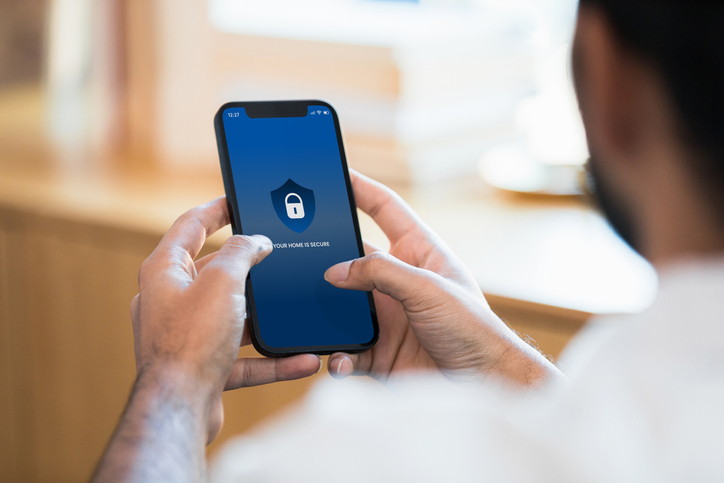
Without a passcode, your privacy online can quickly become compromised, and you can easily become the victim of identity theft as anyone can access your information. So please, protect your online privacy and data by setting up a passcode for all your online accounts and please do not use: your phone number, your social security number, your birthday, your address, and never, ever use 1234.
Instead, mix numbers, letters, and special characters when you set up your password, and please, under no circumstances should you share it with anyone. In fact, consider using a password manager as password managers can generate very strong passwords in a split second and provide changes to weak passwords.
2. Don’t download just any old app

Sure, the app looks appealing, and you did just read something about it but, what do you really know about the company behind it? Will your information really be secure? Private? Err on the side of caution and protect your privacy online by downloading apps only from big name, official app stores like Amazon, iTunes, etc.
And when it comes to financial apps, be triply careful. If the app keeps requesting your financial information, ditch it.
3. That funky-looking link? Don’t click on it

Did you know that people are three times more likely to click on suspicious links on their cell phones than on a laptop or PC? It’s true. Most don't even stop to double check.
To protect your privacy online, if the link looks questionable or immediately asks for your personal or financial information, double check it before you click on it.
4. When you receive notice of a software update, make sure you install it

There’s really no excuse to ignore software updates. These can be set to download while you’re sleeping so it won’t interrupt your day. It also could save you from data breaches as those updates often patch privacy holes discovered since the previous update was released.
It’s crucial to have the latest solutions to protect internet privacy and your online privacy and the updates make it easy to get them.
5. Stay away from public Wi Fi networks and protect against identity theft

Sure, they’re convenient, but open Wi-Fi networks like you find at a library or coffee shop are equally as convenient for those eager to swipe your private information -- credit card and bank account numbers and personal data and passwords without you being aware of it. Better to skip the open WiFi than jeopardize your online data privacy.
6. Make note of your IMEI

Your IMEI (International Mobile Equipment Identity) number is a fifteen-digit number located in “settings” or on your mobile phone battery. It’s an excellent idea to write it down and keep it someplace safe. If your phone is lost or stolen, it can help speed up the process of getting your phone back to you. And the sooner you get it back, the better for protecting your online privacy.
7. Safeguard your Sim card

If you should decide to sell your phone, remove the SIM card prior to handing it over to the purchaser. The Sim card contains a wealth of private information that, in the hands of the wrong person, would wreak havoc with your online privacy. Same thing for any time you take your device to be repaired: remove the SIM card.
More good ways to protect your online privacy
Your can protect your online privacy and security even further by turning on two-factor authentication for important online accounts and setting passwords for your essential devices. Adjust your privacy and security settings for your most important accounts on social media sites like Facebook, Twitter, etc. If you don't have passwords set for all your devices and online activities, get them set up immediately. And make sure that, when you switch off your Android phone or iPhone, the device requires a password again in as short a time as possible (important for keeping info from prying eyes).
At PureTalk, we believe in helping you safeguard your online privacy and are committed to helping you get the phones and service you deserve at a real savings.
No matter what your family's wireless needs are, PureTalk lets you choose the right plan for each family member's needs. You can have any number of lines and choose the perfect wireless plan for each one. Your family members get exactly what they need, and you never pay for anything they don't. In fact, families of four who switch to PureTalk save an average of $1,000 a year!
Ready to get serious about protecting your online privacy?
Add Allstate Identity Protection to your PureTalk plan. Choose from three comprehensive plans. Pay one wallet-friendly price. Allstate Identity Protection helps you safeguard your personal information, the data you share, and the relationships you treasure. Choose from our individual or family plans, all at a fair price, now!
antivirus software internet service provider
Posted 3 years ago