
 Dec 4, 2025
5 Things You Should Know About 5G for 2026
Reading time: 9 minutes
5G is no longer “coming soon.” It's here, and now it's part of daily life. We use it to stream movies, game on the go, join video calls, and even power home internet in many areas.
Behind the scenes, 5G also enables more advanced uses. Think of drones used for search and rescue, smart factories, and remote sensors that monitor everything from crops to traffic. Technologies like network virtualization and cloud computing sit on top of 5G and keep unlocking new possibilities.
All of this can feel complicated. The good news is that you do not have to be an engineer to understand the basics. Here are five simple things you should know about 5G in 2026.
1. 5G is very different from earlier wireless technology
5G is the next big step after 4G LTE. The core idea is simple: do more, faster, with less delay.
Compared with 4G, 5G:
- Uses more of the radio spectrum, including higher frequency bands
- Delivers much faster download and upload speeds
- Cuts latency, which is the time it takes data to travel between your device and the network
- Supports many more devices at the same time in the same area
This extra capacity and lower delay open the door for new apps and services. For example:
- Cloud gaming that feels smooth and responsive
- Real-time translation or transcription
- High-quality video calls even in busy places
In short, 5G is not just “a bit faster 4G.” It is a foundation for the next wave of digital tools and experiences.
2. 5G offers big benefits for everyday consumers
So what does 5G change for you, in real life?
Here are some of the biggest benefits:
Better streaming and gaming: 5G helps reduce lag and buffering. You can watch 4K video, join live streams, and play online games more smoothly, even when others in your home are online.
More reliable video calls: Video meetings, telehealth visits, and calls with friends and family feel cleaner and less choppy.
Better performance in crowded places: At stadiums, concerts, airports, or busy downtown areas, 5G is designed to handle a lot of devices at once. That means you are more likely to get a solid connection when you need it.
Support for 5G home internet: In many areas, 5G is now used for fixed wireless access, sometimes called “5G home internet.” It gives people an alternative to cable or DSL, especially where wired broadband is limited or expensive.
Improved security: 5G networks include stronger built-in security features than older generations, which helps protect data as it moves between your device and the network.
- Keep in mind that your experience still depends on where you are and which carrier you use. 5G speeds and coverage can vary by country, city, and even neighborhood. When you travel, you may notice that some places feel faster than others.
3. 5G powers far more than just smartphones
Most people first meet 5G through their phone. But 5G is designed to connect a huge range of devices, not just smartphones.
Here are some examples:
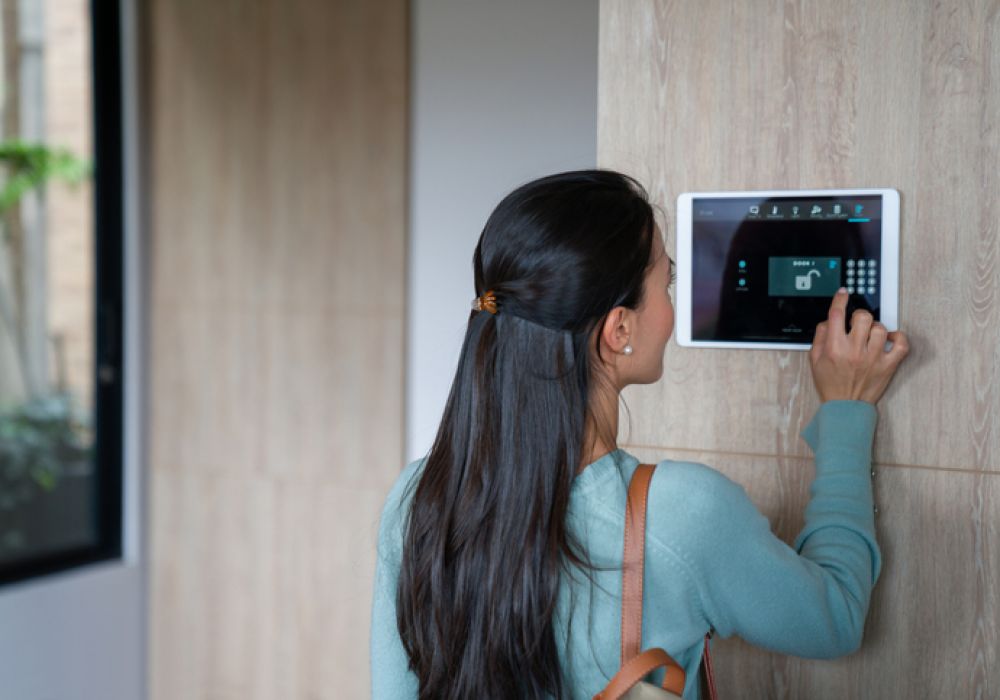
- Smart homes: Security cameras, smart locks, thermostats, and appliances that talk to each other and to your phone.
- Wearables: Smartwatches, fitness trackers, AR glasses, and health monitors that stay connected on the go.
- Connected cars: Vehicles that receive real-time traffic data, software updates, and safety alerts.
- AR and VR: Augmented reality and virtual reality headsets that need high bandwidth and low latency to feel smooth and realistic.
- Industrial and enterprise uses: Robots in factories, remote-controlled equipment, and sensors in warehouses, farms, and hospitals.
Whenever you need quick responses and a lot of data moving at once, 5G can make a big difference. That includes everyday tasks too:
- Making video calls
- Streaming movies and music
- Downloading large files
- Posting and sharing HD and 4K content
- Getting live navigation and traffic updates
In some areas, 5G is even starting to replace wired connections at home or in small businesses through fixed wireless access. A small 5G receiver acts like a modem and turns the mobile signal into Wi-Fi inside your home.
4. How 5G works (without the jargon)
At a basic level, 5G works a lot like 4G. It sends and receives data using radio waves. The big difference is which parts of the radio spectrum it uses and how the network is built.
5G uses three main “layers” of spectrum:
Low-band 5G
Lowest frequencies
Long range and good indoor coverage
Speeds are better than 4G, but not the fastest 5G you can get
Mid-band 5G
A balance of speed and coverage
Often gives the best mix of everyday performance and reliability
Many major carriers focus on this layer for 5G rollout
High-band (millimeter wave) 5G
Very high frequencies
Extremely fast speeds, but short range
Can be blocked by walls, trees, and even people
Works best in dense areas like arenas, city centers, or campuses
Because high-band 5G does not travel far or penetrate buildings well, carriers use many small antennas called “small cells.” These are placed close together on light poles, buildings, and other structures to keep the signal strong.
Illustration of a 5G network in a city.
Not every carrier uses every band in every location. Some focus on low- and mid-band to cover large areas with solid speeds. Others also add high-band in busy zones where people need very fast connections.
5. 5G can support a huge number of devices
One of the most impressive parts of 5G is how many devices it can support at once.
5G networks are built to handle up to about 1 million connected devices per square kilometer. That is far more than 4G was designed for. It is a big reason 5G is so important for the Internet of Things.
Think about what that looks like in a city:
- Every person with a smartphone
- Their smartwatches and fitness trackers
- Connected cars on the roads
- Smart locks and security systems in nearby homes
- Sensors on streetlights, traffic signs, and buses
- Devices in stores, offices, and factories
5G cells can handle devices in very different situations too. Some devices stand still, like a smart meter in a home. Others move very fast, like a train or car on the highway. Networks are designed so that people walking, driving, or riding public transit can stay connected.
Different areas may use different types of base stations:
- A smaller city might only need towers that handle people walking and driving.
- A large city with high-speed trains or subways may also need stations built for faster movement and more intense data use.
5 key things to remember about 5G in 2026
To wrap up, here are the five key things consumers should know about 5G technology in 2026:
1. Faster speeds
5G can deliver much faster data speeds than 4G LTE. This is important for high-definition streaming, cloud gaming, AR and VR, and downloading large files quickly.
2. Low latency
5G aims for much lower latency than older networks. This matters for real-time tasks like online gaming, video calls, remote control of devices, autonomous vehicles, and even remote medical tools.
3. Increased capacity
5G can support far more devices at once in the same area. That is critical for the growing Internet of Things, where everything from home appliances to factory sensors needs reliable, fast connectivity.
4. Different frequency bands
5G uses low-, mid-, and high-band spectrum. Low-band covers large areas but is slower. High-band is incredibly fast but has a shorter range and is easier to block. Mid-band balances speed and coverage. Together, they create a flexible and efficient network.
5. Deployment challenges
Because higher frequencies do not travel as far, carriers must install more small cells and antennas, especially in cities. This requires more infrastructure and careful planning. Weather, buildings, and trees can all affect real-world performance.
As more markets continue to switch on and upgrade 5G, we are living through a major shift in how the world connects. No previous generation of mobile technology has had this much potential to power new services, support the Internet of Things, and drive economic growth.
Stay up to date with PureTalk
At PureTalk, we are as committed to keeping our subscribers informed about the latest advances in wireless technology as we are to providing great service at a fair price.
If you are curious about how 5G fits into your everyday life, or you are simply ready to save on your monthly bill, take a look at our plans and devices. For details on all of our plans, as well as our 5G-ready phones, visit PureTalk.com.
Posted 10 months ago